Ever spent weeks chasing a supplier who ghosts you after the first quote? Yeah, me too. Before I started Kangjie, I was on the other side of the table—frustrated, burned by factory-direct promises that turned into middlemen markups, and watching my margins evaporate. The pain is real. But here’s the thing: finding a solid manufacturer isn’t luck. It’s a system. And I’m about to hand you the playbook I wish someone had given me.
The short answer? You want a factory that owns the full production chain, speaks your language (literally and figuratively), and treats your 500-unit order with the same respect as a 50,000-unit whale. That’s the sweet spot. Most people overthink it. They get dazzled by slick Alibaba profiles or rock-bottom quotes that magically double after “unexpected material costs.” Don’t be that guy. Let’s break this down properly.
So, how do you actually separate the real deals from the time-wasters? Buckle up.
Why Is It So Hard to Find a Reliable Manufacturer?
Let’s be honest. The internet is a minefield. According to industry data, over 60% of B2B buyers report encountering misleading supplier profiles on major platforms. You think you’re talking to a factory. You’re actually talking to a dude in a co-working space with a laptop and a dream. Nothing wrong with hustlers, but when you’re building a product line, you need the real deal.
The biggest headache? Quality inconsistency. You get a sample that looks like a million bucks. Then your first bulk order arrives, and half the pieces have splinters that could double as toothpicks. It’s maddening. And it’s usually because the “manufacturer” subcontracted your job to some random workshop without telling you.
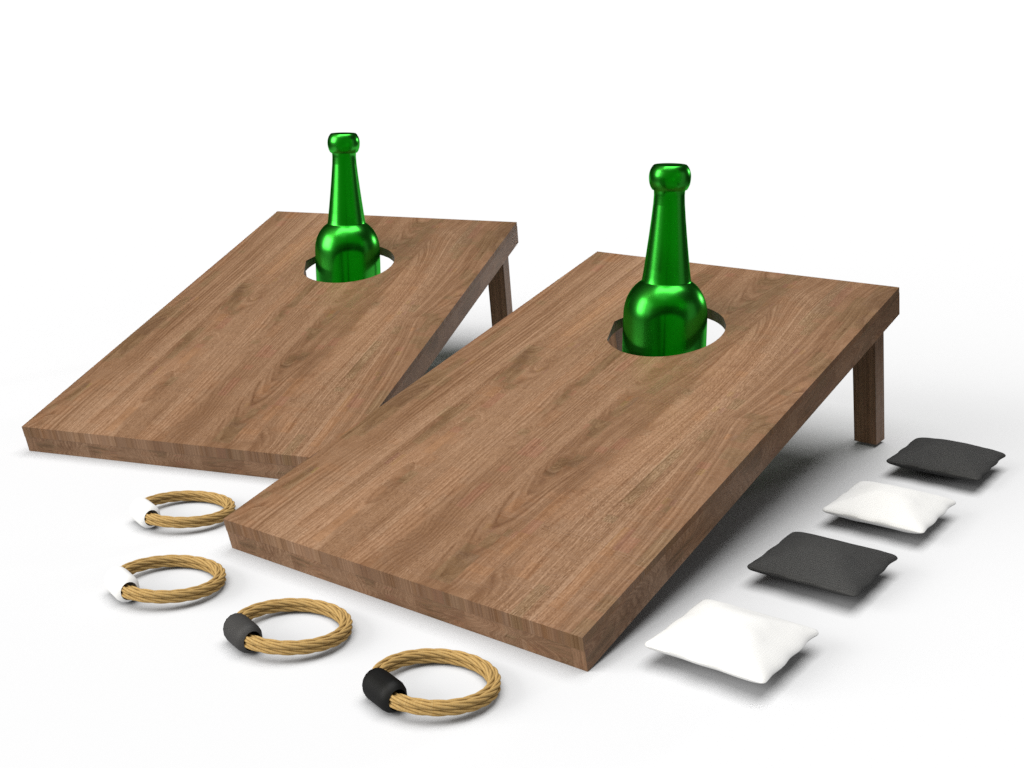
Then there’s the communication gap. You send a detailed spec sheet. They reply “yes, okay, no problem.” You think you’re aligned. You’re not. Three weeks later, your custom cornhole boards show up in the wrong wood finish, and you’re stuck with inventory that looks like it belongs in a different decade.
What Should You Look for in a Wooden Outdoor Game Manufacturer?
First off, transparency. If a factory won’t show you their workshop via video call, red flag. Big one. At Kangjie, we do live virtual tours for every serious prospect. No dark corners, no “we’ll send photos later.” Real-time, unfiltered access. Because if they have nothing to hide, they hide nothing.
Second, minimum order flexibility. The old-school factory mentality is “10,000 units or get lost.” But that’s not how the modern market works. Research from the Outdoor Recreation Association shows that 68% of specialty retailers prefer initial orders between 200-1,000 units to test market response. You need a partner who gets that. Someone who’ll let you dip your toe before diving in headfirst.
Third, speed. Not just production speed—response speed. When Andy (yeah, that cautious 35-year-old purchasing manager we all know) sends an inquiry at 9 PM his time, he doesn’t want an auto-reply promising a response in “3-5 business days.” He wants answers. Fast. Because his boss is breathing down his neck, and his competitors aren’t waiting around.
How Do You Vet a Manufacturer Without Flying to China?
You don’t need a plane ticket. You need a checklist. Here’s mine:
Ask for certifications upfront. Not later. Not “we’re working on it.” Now. FSC certification, CE marking, ASTM compliance—whatever your market demands. If they hesitate, bounce.
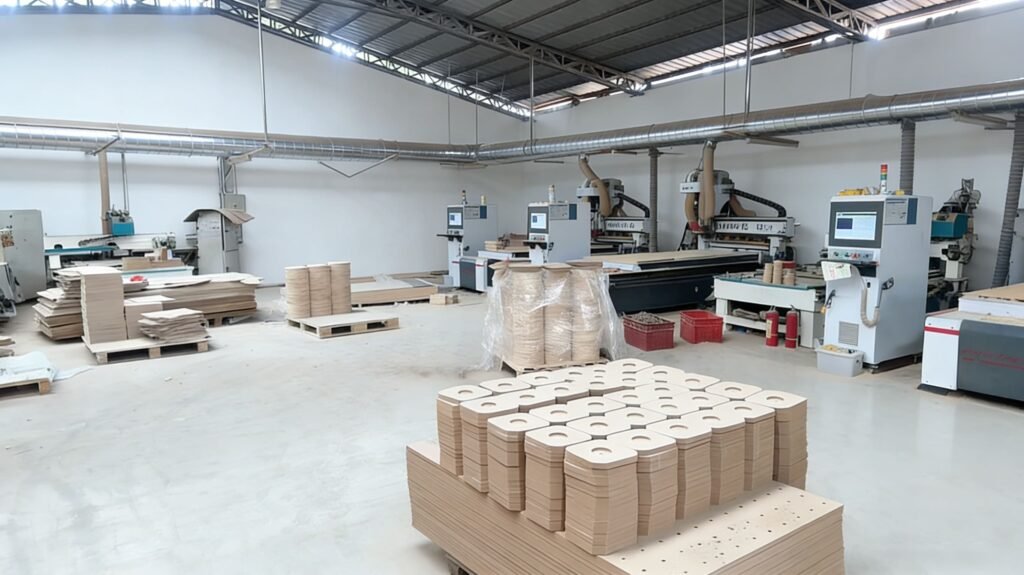
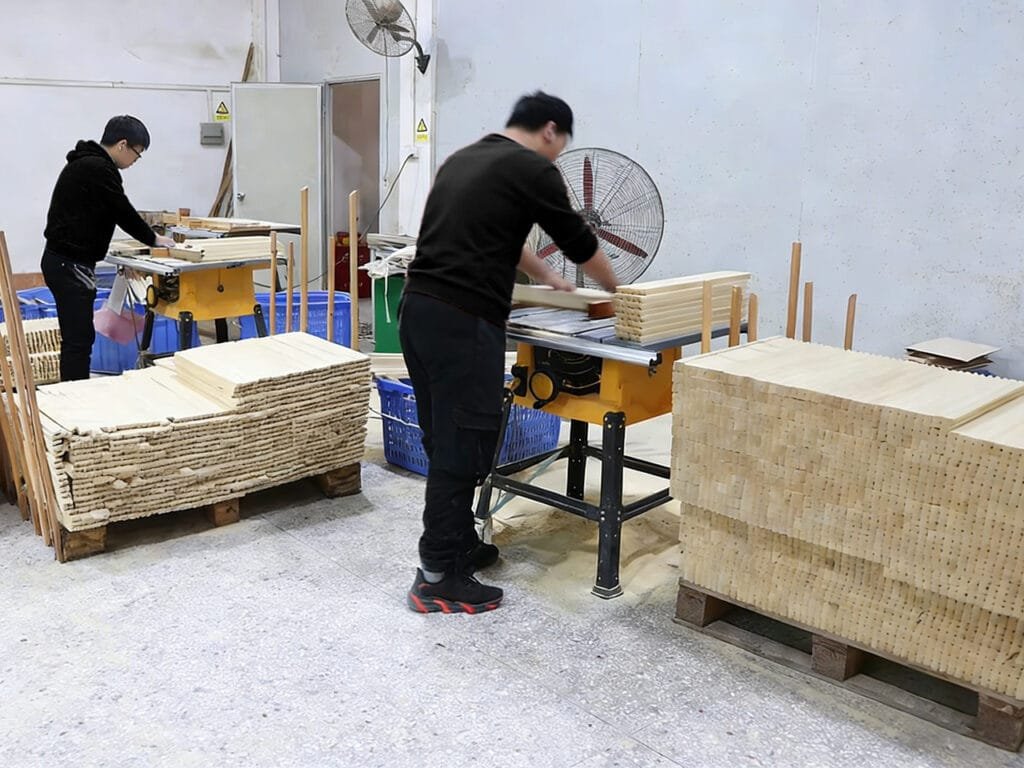
Request a video factory tour. Not photos. Not a slick marketing video with elevator music. A live walkthrough. See the machines. See the workers. See the wood storage. If they can’t do it, ask yourself why.
Test their communication. Send a deliberately detailed, slightly annoying inquiry. See how they handle it. Do they ask clarifying questions? Or do they just fire back a generic quote? The quality of their questions tells you everything about their attention to detail.
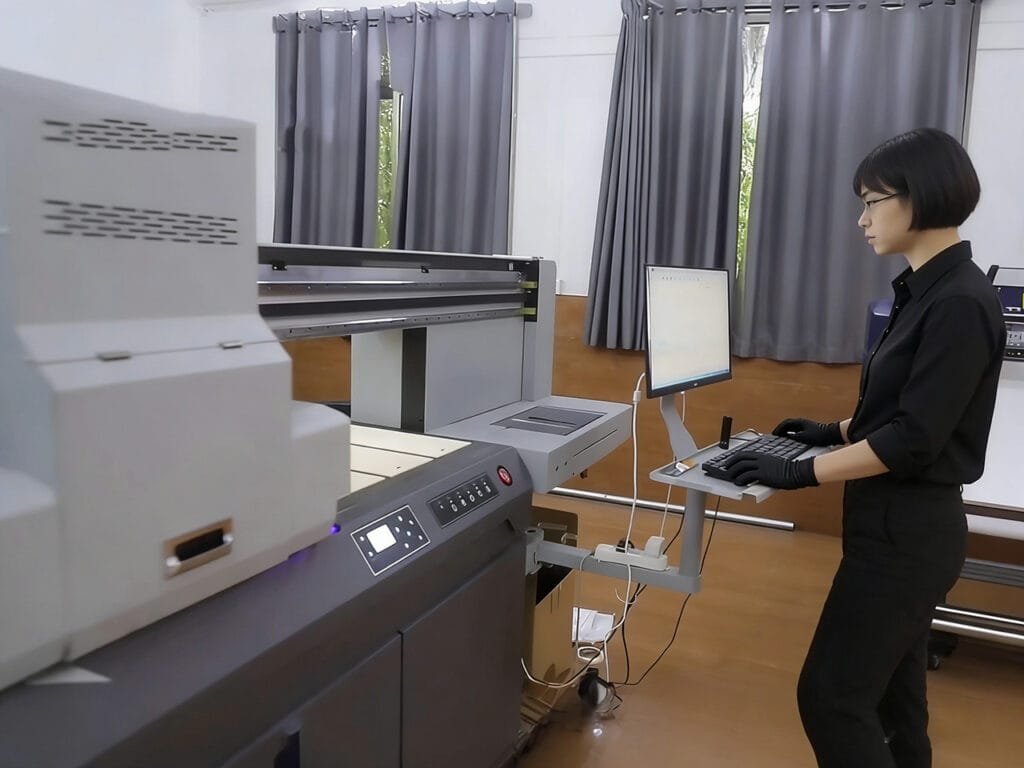
Order a sample. Then order another. Seriously. First sample is often their best work. Second sample shows you their consistency. If sample #2 looks different from sample #1, you just saved yourself from a massive headache down the road.
What Are the Hidden Costs Nobody Talks About?
Oh, this is where it gets spicy. Everyone obsesses over unit price. But the real money bleeds out in the gaps.
Shipping surprises. That “great quote” doesn’t include the fact that your goods are going to sit in customs for three weeks because the factory used the wrong HS code. Fun times.
Rework costs. Cheap factory cuts corners. You catch it (if you’re lucky). Now you’re paying to fix it, or worse, eating the cost of defective stock. Industry surveys indicate that rework and returns cost small importers an average of 12-15% of their total procurement budget annually.
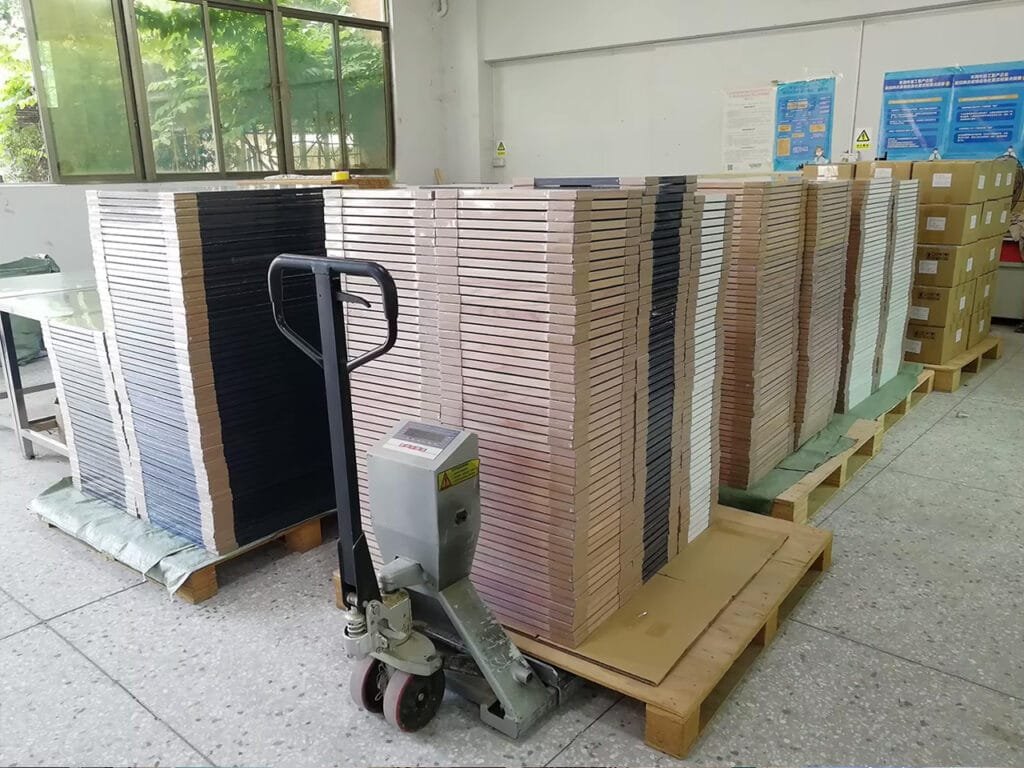
Time. The most expensive resource of all. Every week your product isn’t on shelves is a week your competitor is grabbing market share. A “cheap” factory that delivers two months late is way more expensive than a slightly pricier one that hits their deadlines.
Conclusion
Finding a manufacturer isn’t about finding the cheapest quote. It’s about finding a partner who won’t ghost you, won’t cut corners, and won’t treat your business like a rounding error. Do your homework, trust your gut, and remember: if it feels too good to be true, it probably is. Now go get ’em.
FAQs
1. What’s a realistic minimum order quantity (MOQ) for custom wooden garden games?
Most factories want 5,000+ units. But if you’re testing the market, that’s insane. Look for manufacturers who’ll do 500–1,000 units as a starting point. At Kangjie, we built our whole model around this. No point drowning in inventory you can’t move.
2. How do I know if a “factory” is actually a factory and not a middleman?
Ask for a live video tour — not photos, not a slick marketing reel. Real-time, unfiltered. If they dodge it, they’re probably sitting in a co-working space with a laptop and a dream. Also, ask who owns the production equipment. If they can’t answer clearly, red flag.
3. What certifications should I demand upfront?
Depends on your market, but the big ones are FSC (sustainable sourcing), CE (Europe), and ASTM (US). Don’t let them say “we’re working on it.” You need them now. Your customers — and customs — will ask.
4. Why do samples look perfect but bulk orders turn out mediocre?
Classic bait-and-switch. Some factories subcontract bulk orders to cheaper workshops without telling you. Always order a second sample from a different batch. If sample #2 looks different from #1, run.
5. How fast should a manufacturer respond to inquiries?
If you’re waiting 3–5 business days for a reply, they’re not hungry enough. In this game, speed is a competitive advantage. Your competitors aren’t waiting, and neither should your supplier.
6. What’s the biggest hidden cost nobody talks about?
Time. A “cheap” factory that delivers two months late costs you way more than a slightly pricier one that hits deadlines. Every week your product isn’t on shelves, your competitor is grabbing market share. Rework and returns also bleed 12–15% of your procurement budget annually.
7. Should I fly to China to vet a manufacturer?
Not necessarily. A live video tour, detailed spec testing, and a second sample order will tell you 90% of what you need to know. Save the plane ticket for when you’re ready to sign a long-term deal.
8. What makes a manufacturer a “partner” vs. just a “supplier”?
A partner asks clarifying questions about your product, market, and goals. A supplier just fires back a generic quote. A partner hits deadlines. A partner doesn’t ghost you when something goes wrong. Look for someone who treats your 500-unit order like it matters.