Remember the bell at the end of class. For a few minutes the playground was the whole world, and the only question that mattered was what to play. I run a wooden garden game company now, but I still rank those games the way a ten-year-old would: did it get everyone laughing, and did it end with a story worth telling at dinner.

Was Tag Really the King of the Playground?
Tag was my game. There is a reason it never goes out of fashion: no kit, no setup, and a built-in adrenaline that scales from two players to a whole field. It is the simplest game there is, and that is exactly why it works when the bell rings and nobody has planned anything. The versions are what keep it fresh, plain tag, freeze tag, and the variants children invent on the spot. A game with no equipment is a game that always happens.
What About the Other Playground Classics?
Tag was not everyone’s choice, and the truly durable games were the ones that needed almost nothing:
- Hopscotch: balance and a chalk grid. It taught concentration disguised as play.
- Jump rope: cardio with a rhyme, and the rhymes are the part children remember.
- Red Rover: the game that taught a generation about momentum, and occasionally about shoulders.
- Four square: a small court, a bouncing ball, and a clear hierarchy of who ruled the square.
Did Equipment-Based Games Have a Place?
Some children wanted a ball and a court. Kickball, tetherball, and basketball were the structured option, and they carried their own drama, most of it about whether the ball was in or out. Equipment games felt more grown-up, which is probably why the children who wanted to feel older drifted toward them. They also needed organisation, which is why they were recess games rather than spontaneous ones.
What About the Games Children Invented?
Every playground had one child building something bizarre out of the rules they already knew. At my school it was Lava Monster, tag with the ground as lava and the climbing frame as the only safe place. These invented games were the creative end of the spectrum: no manual, no right way, and a small group of true believers. They rarely outlasted the term, which was part of the charm.
So What Was the Best Schoolyard Game?
The best schoolyard game was the one that got a group laughing and running and made them forget the spelling test. Tag, hopscotch, four square, or a game with a name only your school used, the measure was the memory, not the rules. And the games were not only for children. A round of freeze tag at a company picnic or a family reunion clears a room of small talk faster than any ice-breaker, provided nobody minds the risk of pulling something they forgot they had.
Sourcing Wooden Garden Games in Bulk?
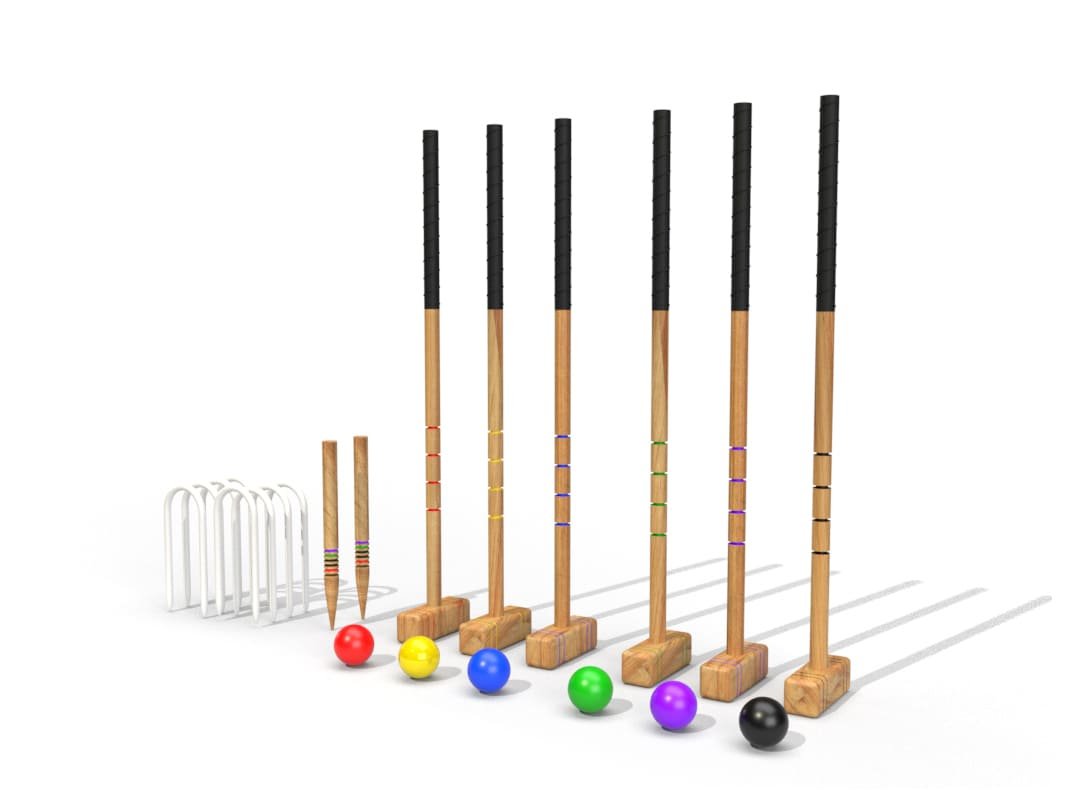
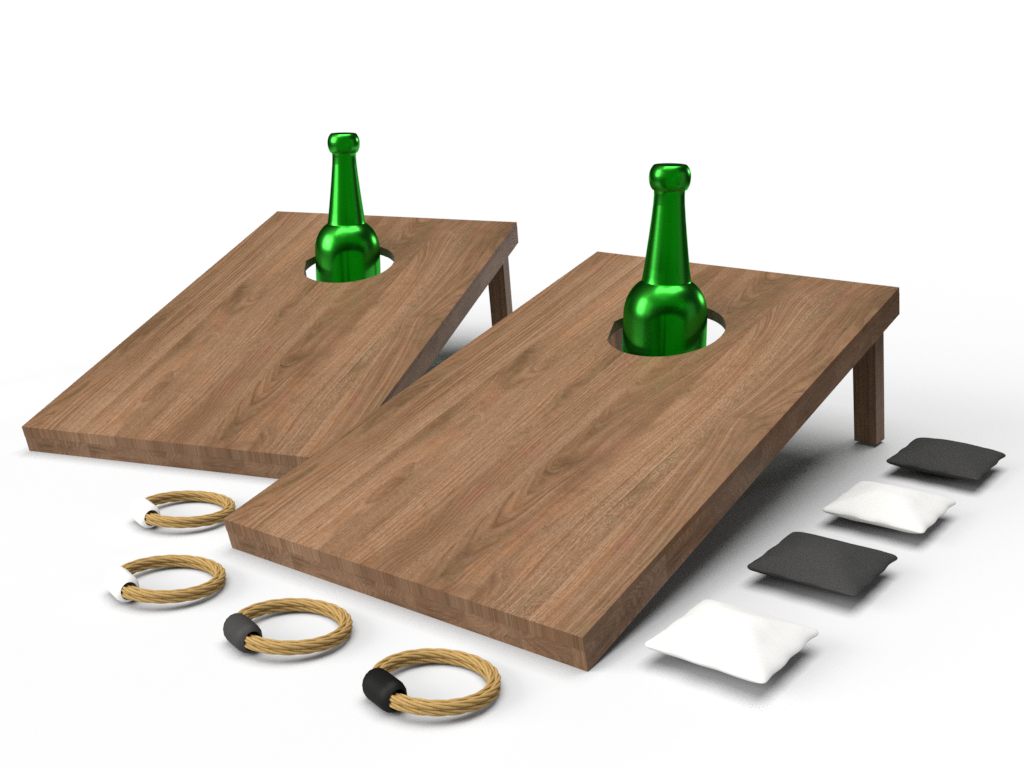
Kangjie is the direct manufacturer behind these games — no trading company, no middleman margin. We supply Kubb, Croquet, Molkky, Ring Toss, Tumble Tower, Cornhole and more to importers, retailers and brand owners worldwide.
- Factory-direct pricing with transparent volume tiers (500 / 1,000 / 5,000 units)
- OEM & ODM: logo, packaging, size and finish built to your specification
- EN71 & ASTM F963 compliant; FSC-certified timber
- Bulk lead time 30–45 days, quotation within 24 hours