Ever found yourself tangled in the web of suppliers and distributors, wondering who’s who? You’re not alone. Navigating the B2B jungle can be a headache, especially when every term sounds like industry jargon. Let’s break it down so you can make savvy decisions for your business without pulling your hair out.
So, what’s the real deal between a supplier and a distributor? In simple terms, a supplier is the one who makes or provides the products, while a distributor takes those products and gets them into the hands of retailers or directly to you. Think of suppliers as the chefs cooking up the goods and distributors as the waitstaff serving them to customers.
Pretty straightforward, right? But hold on, there’s more to it. Understanding this difference can save you time, money, and a lot of frustration down the line. Let’s dive deeper and keep things light!
Why Does It Matter for Your Business?
Choosing between a supplier and a distributor can impact your pricing, delivery times, and even the quality of the products you receive. Suppliers often offer better prices since you’re cutting out the middleman. However, distributors can provide faster delivery and more flexibility, especially if you need smaller quantities.
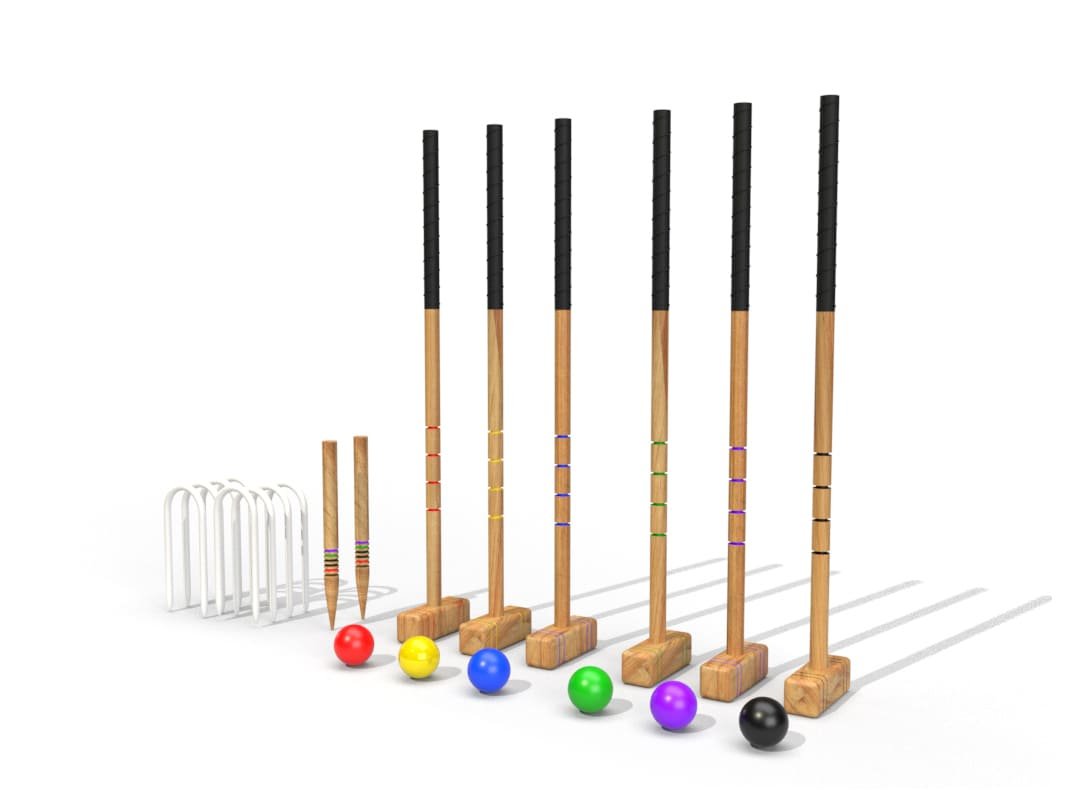
Imagine you’re Andy, looking for the perfect wooden garden games. Going straight to a supplier like Kangjie means you get competitive prices and direct access to custom options. On the flip side, a distributor might have ready stock but at a higher cost.
How Do Their Roles Differ in the Supply Chain?
Suppliers are at the core of the supply chain, creating or sourcing the products you need. They handle manufacturing, quality control, and often have the capacity for large orders. Distributors, meanwhile, focus on logistics, storage, and sales. They bridge the gap between suppliers and the market, ensuring products reach retailers or end-users efficiently.
What Should You Look For When Choosing Between Them?
When deciding whether to work with a supplier or a distributor, consider your business needs:
- Order Volume: Suppliers are ideal for bulk orders.
- Flexibility: Distributors can offer smaller, more frequent shipments.
- Customization: Suppliers like Kangjie excel in providing tailored products to meet your specific requirements.
- Speed: Distributors can often deliver products faster due to existing stock.
Can You Work with Both?
Absolutely! Many businesses leverage both suppliers and distributors to maximize their reach and efficiency. By working directly with suppliers for large orders and using distributors for smaller, urgent needs, you can enjoy the best of both worlds.
Conclusion
Understanding the difference between a supplier and a distributor is crucial for making informed decisions that benefit your business. Whether you choose to partner directly with a supplier like Kangjie or work through a distributor, knowing their roles helps you navigate the B2B landscape with confidence. So next time you’re in the market for those perfect wooden garden games, you’ll know exactly who to call!