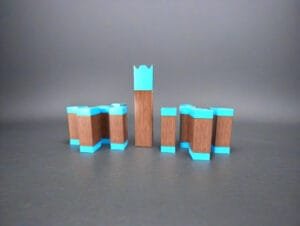
Ever sat down to a game of Jenga only to find yourself stacking blocks higher than your patience? 😅 Trust me, I’ve been there. You want everything to be smooth, no wobbling disasters, but without clear rules and regulations, it’s chaos. Whether you’re playing at home or setting up a corporate game night, knowing the ins and outs can make all the difference.
Alright, let’s break it down. Jenga is all about strategy and steady hands. The basic rules are simple: stack the wooden blocks into a tower of 18 levels, alternating the direction of each level. Players take turns removing one block at a time from any level below the highest completed level and placing it on top. The game ends when the tower falls, and the last player to successfully place a block wins.
But wait, there’s more to keep the game fair and fun! Imagine someone pulling out blocks from the top early on – total game ruiner, right? That’s why official regulations specify that you can only remove blocks from completed levels. Plus, there’s a time limit for each turn to keep things snappy. No one likes a slowpoke when the tension is building!

How do you ensure fair play in Jenga?
To keep things legit, fair play is crucial. This means adhering to the official rules, like not using both hands, avoiding the use of tools, and respecting the turn order. It’s all about maintaining the integrity of the game. Plus, setting clear house rules before starting can prevent any sneaky moves that might tilt the balance unfairly.
What are some common rule variations in Jenga?
Different groups love to tweak the game to add a twist. Some play with challenge cards, where players must perform a task after their move. Others set up themes, like only using certain colors of blocks or incorporating trivia questions. These variations keep the game fresh and exciting, perfect for those looking to spice up their corporate team-building sessions or friendly get-togethers.
Why are Jenga rules important for businesses?
In a business setting, Jenga isn’t just a game – it’s a metaphor for strategic planning and risk management. Understanding the rules helps teams work together, communicate effectively, and make calculated moves under pressure. It’s a fun way to build team cohesion and sharpen problem-solving skills. Plus, who doesn’t love a little friendly competition?
Conclusion
Mastering the rules and regulations of Jenga not only makes the game more enjoyable but also offers valuable lessons in strategy and teamwork. So next time you set up that tower, remember – it’s more than just blocks stacked high!