
A buyer’s inventory list usually contains two kinds of product: the ones that sold last season and the ones that were supposed to. The second category is almost always novelty – a format that looked interesting on a supplier’s sample shelf and required an explanation at retail.
The classic wooden garden games keep selling for a structural reason: the customer already knows the rules, which removes the retailer’s cost of selling them. That is worth more than novelty, and it is why these five formats persist while trend products cycle.
Below are the five that carry most of the volume, what each one actually is commercially, and the specification points that decide whether a set survives a season.

Why Classic Formats Outsell Novelty
- Zero explanation cost. A customer who recognises the game does not need to be sold it. On a shelf, that is the difference between a product that moves on its own and one that needs staff attention.
- Channel breadth. The same set sells into garden centres, gift retail, hospitality, corporate gifting and online. A novelty format usually fits one of those.
- Customisation headroom. A familiar format is a blank surface. Stain, engraving and packaging change the product’s position without changing its rules.
- Repeat structure. Pieces get lost, sets get bought as gifts, venues replace worn stock. The category generates second sales without needing a new design.
1. Giant Block Tower

The strongest seller in the category. Stack the blocks, remove one, place it on top, and the tower eventually falls. Everyone already knows this, which is why it works at a barbecue, a bar and a corporate event with no instructions.
Commercially it is the best product on this list because one construction produces several SKUs: natural, stained ends, printed blocks with prompts, and a tabletop size for small retail footprints. The tooling is shared, so each variant runs at the standard minimum.
The specification that matters is dimensional consistency. A set where blocks vary by half a millimetre stacks badly and feels cheap, regardless of how good the timber is. Ask for the tolerance in writing and check it with a caliper on the sample rather than by eye.
A note on naming: the block-stacking game is sold generically as tumble tower or block tower. The trademarked name belongs to a specific commercial product, and using it on your packaging is a legal exposure rather than a marketing shortcut.
2. Giant Chess and Checkers

The most visual product in the range, and the one that most often sells as a feature rather than as stock – hotel gardens, holiday parks, shopping centres, wineries. A giant chess set on a lawn changes how a space reads, which is what the buyer is actually purchasing.
Two formats matter: a roll-up mat with weighted pieces, which is portable and cheaper, and a fixed board, which is a landscaping decision rather than a purchase.
The engineering points are weight and weather. Pieces have to be heavy enough to stay upright in wind and light enough to move, which usually means a hollow or laminated construction rather than solid timber. Finish has to survive UV and rain, so a penetrating oil or a proper exterior coating system rather than a decorative lacquer.
3. Giant Dominoes

A tactile product with an unusually wide age range, because it works as a matching game for young children and as a traditional tile game for adults – and as a toppling run for anyone who has seen it online.
That dual use is the commercial argument: one product, three selling propositions, and a natural fit for gift retail and museum shops.
The specification is the pip marking. Painted pips wear at the edges first and look tired within a season; burned or engraved pips do not. Face flatness matters too, because a tile that rocks will not stand in a toppling run, which is the use that generates the most customer enthusiasm.
4. Giant Four in a Row

The fastest game on this list and the best one for hospitality, because a round takes two minutes and the win condition is visible from across a room. Bars, cafes, campsites and offices buy it as an activity rather than as stock.
The mechanism is the product. Discs that jam turn the game into a return, and a jam is a tolerance problem rather than a design one – it comes from the fit between disc diameter and slot width not being specified. Ask for the tolerance, and drop-test the assembled unit before ordering.
Naming matters here as with the tower: four in a row is the generic description. The trademarked name for the commercial plastic version should not appear on your packaging or your product listing.
5. Giant Tic-Tac-Toe

The cheapest entry point in the category and the one with the widest age range, because the rules need no explanation and the physical demand is minimal. It is also the format most often bought for a specific event – a wedding, a school fair, a corporate day.
The commercial weakness is that it is easy to make badly, which is why the category has a lot of cheap sets and few good ones. The difference is in the pieces: painted discs blow away in wind and chip at the edges, and a rope grid on grass moves during play. A folding wooden frame that stores its own pieces is the version that gets used and reordered.
Customisation is unusually strong here because the X and O can be replaced with two brand shapes, two colours, or two logos – which is why it is a reliable corporate gifting item.
What “Giant” Costs You in Freight
The word giant is a marketing decision with a freight consequence, and the two are usually considered separately.
Ocean freight bills on whichever is greater, actual weight or volumetric weight. A giant tower is heavy and bulky; a giant chess set is bulky but relatively light. That difference changes which number the freight is calculated on, and it changes the landed cost more than the unit price does.
The practical lever is packability. A tower that ships flat-packed in a crate, a chess set with a roll-up mat, and a tic-tac-toe frame that folds into its own storage all reduce volumetric weight without reducing the product. That is where margin is recovered in this category.
Why Wood, Honestly
Three real advantages and two real costs.
Advantages. Weight, which keeps pieces in place in wind and makes the product feel substantial. Repairability, because a scratched board can be sanded and re-oiled where a cracked plastic one cannot. Finish flexibility, because stain, oil, paint and engraving all work on timber, which is what makes private label possible.
Costs. Maintenance – untreated timber greys, and an outdoor set needs oiling periodically, which the customer has to be told. And moisture – timber that goes into production wet will move after assembly, so boards cup and joints open weeks after delivery. Outdoor timber should be dried to roughly 8–12% before assembly, and end grain should be sealed.
Those two costs are the reason a cheap wooden set and a good one look identical in a photograph and behave differently within a season.
Sourcing Without the Usual Problems
Four points cover most of what goes wrong.
- Minimum order. 500 sets is roughly where setup cost is covered without pushing the unit price above a stock item. It is low enough to test a format.
- Sampling. 5–10 days from the production line, not from the bench. A bench sample does not predict the order.
- Certification. EN71 for the EU with EN71-3 covering coating migration, ASTM F963 and CPSIA for the US, FSC chain-of-custody where certified timber is specified. Which applies depends on the market and the age grading.
- A second source. A single supplier in a seasonal category is a single point of failure. Qualifying a second one costs a sample and a fortnight.
Conclusion
The five classics – block tower, giant chess, giant dominoes, four in a row and tic-tac-toe – sell because the customer already knows them, and they stay profitable because one construction supports several SKUs and several channels.
What separates a good set from a cheap one is never visible in a photograph: block tolerance, pip marking method, disc-to-slot fit, and the moisture content of the timber before assembly. Those four specifications are the whole product.
Stocking the classic formats?
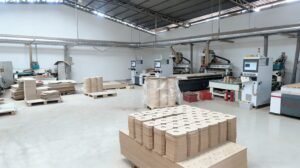
We manufacture direct in Guangzhou: 500-set minimum, quotes within 24 hours, samples in 5–10 days, production in 30–45 days, EN71 and ASTM F963 compliance, FSC-certified timber: contact us
FAQs
1. What is a typical minimum order for custom wooden garden games?
500 sets, which is roughly where setup cost is covered while the unit price still competes with a stock item. A genuinely new construction with new tooling needs a higher minimum, quoted as its own project.
2. Can you develop designs beyond the classic formats?
Yes, under an NDA signed before drawings are exchanged. A new design is quoted and scheduled as a project rather than as a variation, because it needs a prototype and possibly new tooling.
3. Which certifications apply for Europe and the US?
EN71 for the EU, including EN71-3 for coating migration, with CE marking on the declaration of conformity. ASTM F963 and CPSIA for the US. Which applies depends on the market and the age grading of the product.
4. How long does sampling take?
5–10 days to produce plus 3–7 days in transit, built on the production line, with the charge credited against the production order.
5. What is the lead time for a full order?
30–45 days from deposit and sample approval to goods ready at the port. Ocean transit is additional – roughly 30–40 days to Europe and 14–25 days to the US west coast.
Sourcing Wooden Garden Games in Bulk?
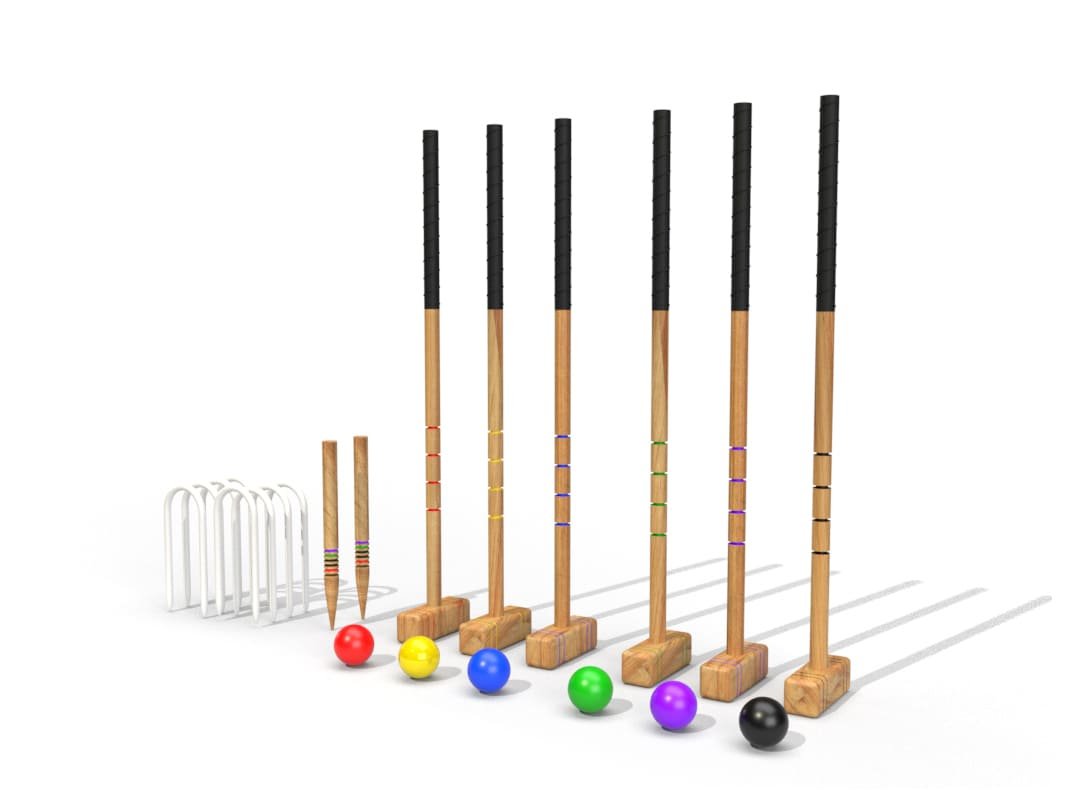
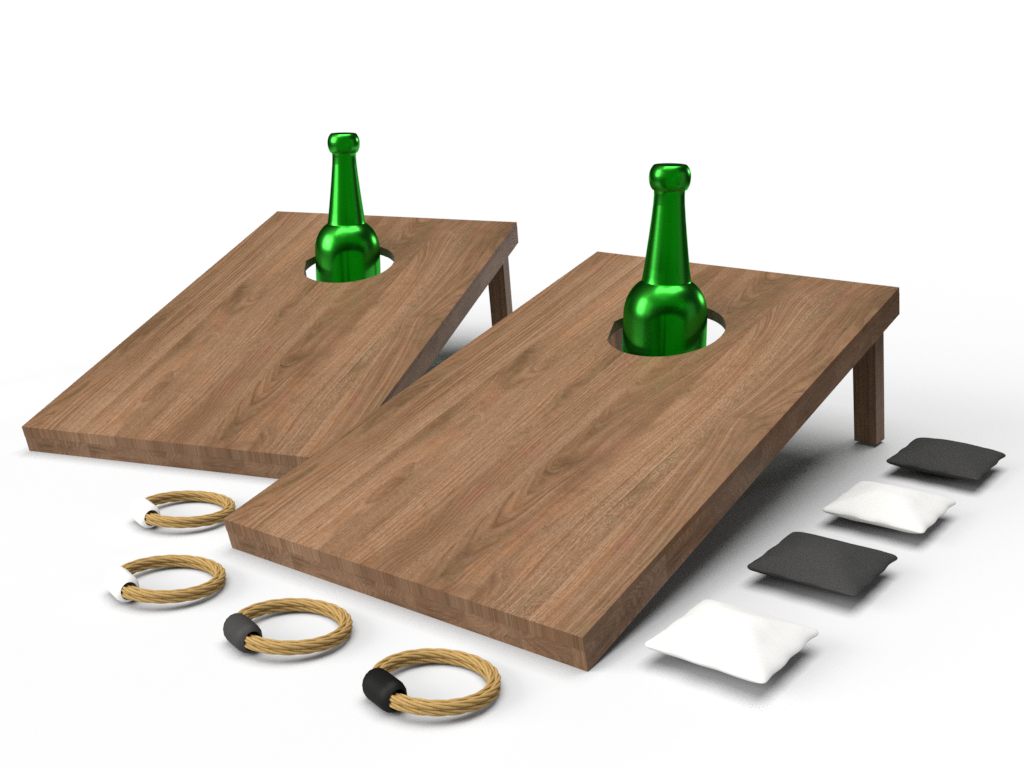
Kangjie is the direct manufacturer behind these games — no trading company, no middleman margin. We supply Kubb, Croquet, Molkky, Ring Toss, Tumble Tower, Cornhole and more to importers, retailers and brand owners worldwide.
- Factory-direct pricing with transparent volume tiers (500 / 1,000 / 5,000 units)
- OEM & ODM: logo, packaging, size and finish built to your specification
- EN71 & ASTM F963 compliant; FSC-certified timber
- Bulk lead time 30–45 days, quotation within 24 hours



One Response