A wooden game can look right in a catalogue and still be awkward to stock. A ladder golf set may need more floor space than your seasonal display can spare, while a boxed game with unclear setup instructions can leave shoppers guessing whether they have enough room to play. A poor fit can mean repacking stock, giving up display space or handling avoidable returns. Before requesting a quote, write down where the game will sell, where customers will play it and how they will carry it home.
Choose a wooden garden game that fits both the customer’s playing space and your sales channel. Shortlist by setup and storage needs, then review the game and its proposed retail pack together before approving the specification.
Start with the assortment gap you need to fill. A game for walk-in garden centre shoppers may call for a different product and pack from one sold through an online outdoor catalogue.
Which game suits the way your customers will use it?
Start with the playing surface, usable space and effort required to set up and put away the game. These details give you a basis for comparing games that serve different occasions.
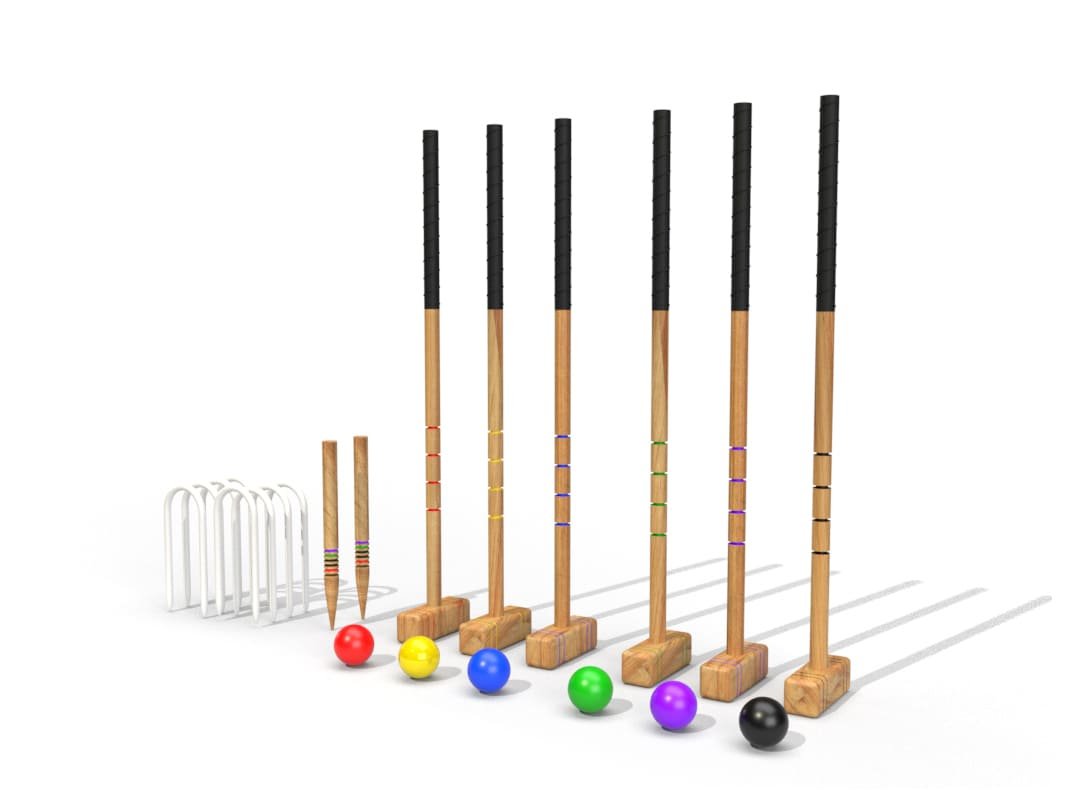
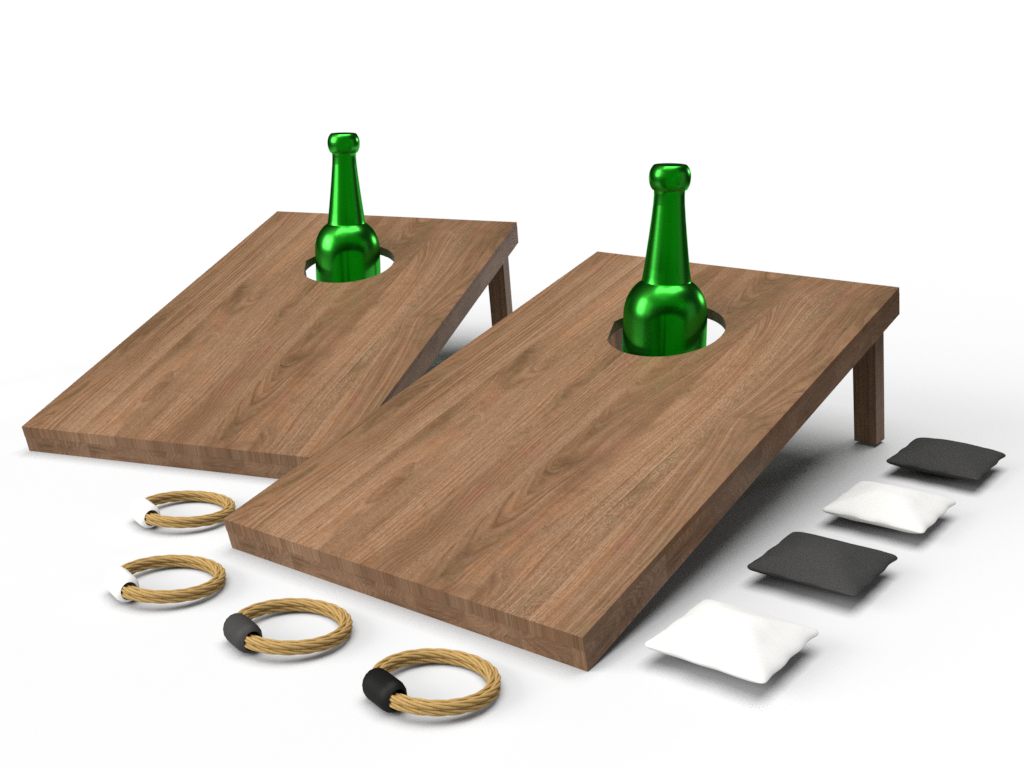
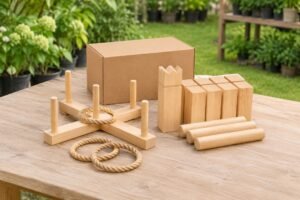
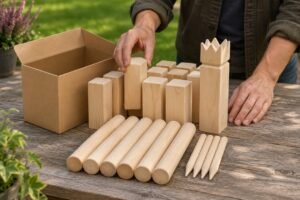
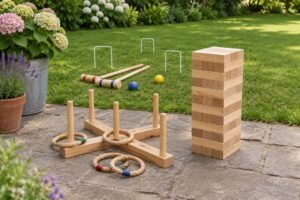
If you are comparing wooden Croquet and Kubb for a lawn games range, ask how the play area is laid out, what pieces the customer needs to set out and how those pieces are stored after play. If you are considering Cornhole or ladder golf, check the space needed during play and the space the components take up when packed away. For a wooden tumble tower, ask what surface it needs to sit level and how the pieces are kept together between uses.
Request the setup instructions for each shortlisted version. Read them as a shopper would and flag any detail that belongs on the product page or pack, such as the suggested playing area or the need for a level surface.
What should you check when reviewing the game and its retail pack?
Review the game as a complete retail unit. Ask for the proposed packed dimensions, packed weight and contents list for the version you are considering.
For a garden centre, use those details to see how the box fits on the intended shelf or seasonal display and whether a shopper can tell what is inside from the panel they will see. For an online listing, check that the dimensions and photos make it easy to distinguish the packed size from the size when set up. If you distribute to several retailers, ask each account which packaging details matter at intake before approving a shared specification.
During sample review, unpack the game, set it up using the instructions and pack it away again. Check whether loose pieces stay in place when the closed box is lifted and turned. If you request a change to the wood, finish, dimensions or box, record which sample and packaging version you reviewed so the final approval reflects the same configuration.
FAQs
Can I use a reference product for a private-label inquiry?
Yes. We can discuss a reference product, sketch or packaging brief. Mark the features you want to carry through and the changes you want us to assess so we can discuss feasibility for your project.
When should I specify the languages for the box and instructions?
List your intended markets and language requirements in the initial brief. Confirm who supplies and approves each translation before the artwork is finalised.
What compliance documentation should I request?
Identify the documentation your market and retail customer require, then ask what is available for the specific SKU and intended market. Confirm that the documents cover the version you plan to order.
Can I plan to offer replacement pieces?
Raise this during the inquiry if it matters to your after-sales service. Confirm which parts, if any, can be ordered separately and how your team would identify the correct version.
Conclusion
Shortlist by how customers will play, then approve the game and pack together. If you’re planning a private-label range, share your preferred game, intended setting, estimated quantity and packaging needs with us. Discuss your project with Kangjie Garden Games.