Picture this: you’ve got a sunny afternoon, a crisp lawn, and a croquet set gathering dust in your garage. But wait—do you actually know how to set it up properly? If you’re sweating over wicket spacing or mallet lengths, relax. I’ve been there. Let’s turn that confusion into a backyard victory lap.
Here’s the short answer: A standard croquet court is 35 yards wide x 28 yards long, with six wickets spaced in a double-diamond pattern and a 36-inch stake at each end. But hey, your backyard isn’t Wimbledon—let’s talk realistic setups too.
Still with me? Good. Because whether you’re prepping for a tournament or just want to impress your neighbors, nailing these measurements is the difference between “meh” and “magnificent.” Let’s dive in.

Croquet Setup Measurements Cheat Sheet
| Component | Tournament Standard | Backyard/Adapted | Pro Tips 🎯 |
|---|---|---|---|
| Court Size | 35 yd x 28 yd (32m x 25.6m) | 17.5 yd x 14 yd (halved) | No tape measure? Use 70 adult strides for length, 56 for width. |
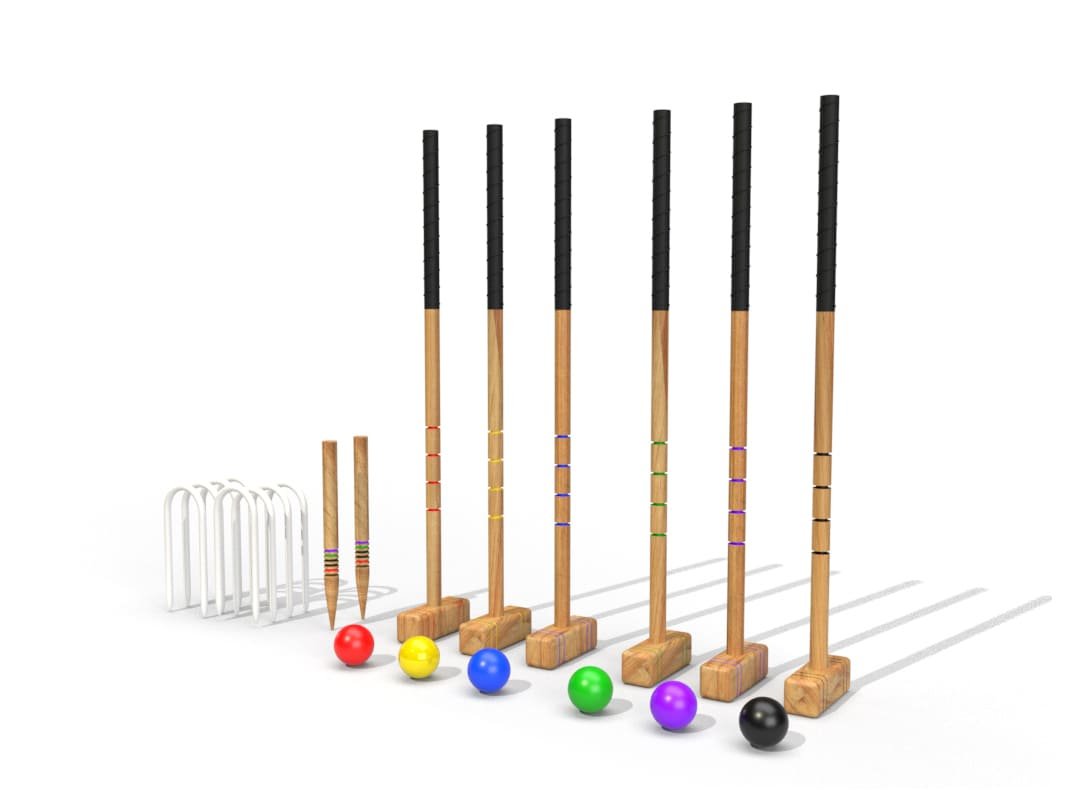
| Wickets (Hoops) | 6 in double-diamond pattern | 6-9 (flexible for fun!) | *Space 12″ apart for pros; 6-8″ for beginners. Use glow-in-the-dark hoops for night games!* |
| Wicket Width | 4.5″ (11.4cm) gap | 6-8″ (15-20cm) for kids | Too narrow? Players will riot. Too wide? Boring. Test with a soccer ball first. |
| Stake Height | 36″ (91cm) | 30-36″ (adjustable) | Paint stakes neon orange—trust me, you’ll thank yourself later. |
| Mallet Length | 36″ (91cm) | 32-36″ (hip height) | Cut PVC pipes as DIY mallets for cheap practice sets. |
| Ball Diameter | 3.625″ (9.2cm) | 3-4″ (use bocce balls in a pinch) | Heavier balls = slower game. Lighter = chaos. Choose wisely. |
| Court Slope | Max 1:100 gradient | Flat-ish (avoid hills!) | Place a marble on the ground—if it rolls, your court’s too sloped. |
| Setup Time | 30-45 mins (pros) | 10-15 mins (lazy Sunday mode) | Pre-mark your lawn with spray paint for instant setup next time. |
Why Croquet Measurements Matter More Than You Think
You wouldn’t bake a cake without measuring flour, right? Same logic applies here. Croquet’s charm lies in its precision—mess up the spacing, and suddenly your friendly game feels like herding cats.
The Domino Effect of Incorrect Spacing
Too-tight wickets? Players breeze through like it’s a drive-thru. Too wide? You’ll hear grumbles about “marathon croquet.” The sweet spot? Balance.
Common Mistakes Even Pros Make
- Assuming “eyeballing it” works (spoiler: it doesn’t).
- Forgetting terrain slopes—gravity will mess with your balls.
Official Croquet Court Dimensions: The Gold Standard
Let’s geek out on tournament specs. According to the World Croquet Federation, here’s the breakdown:
Regulation Size for Tournament Play
- 35 yards (32 meters) wide x 28 yards (25.6 meters) long—roughly the size of a tennis court.
- Wickets: 6 in a double-diamond layout, 12 inches apart.
- Stakes: 36 inches tall, painted blue and orange for visibility.
Backyard Croquet: Scaling It Down
No one’s judging if your lawn’s more “cozy” than “country club.” Halve the dimensions: 17.5 yards x 14 yards works. Wickets 6 inches apart? Perfect for beginners.
Wicket Placement 101: Getting the Spacing Just Right
Imagine the court as a clock. Start with two wickets at 12 and 6 o’clock, then build the diamond outward.
Standard Wicket Layouts
- Double Diamond: The classic tournament setup.
- Nine-Wicket Variation: For longer games (and bragging rights).
Adjusting for Different Skill Levels
Kids or newbies? Widen the wickets by 2 inches. Advanced players? Tighten ’em up. It’s like adjusting bike training wheels—customize the challenge.
The Lowdown on Mallets, Balls, and Stakes
Tools matter. Ever tried whacking a ball with a flimsy mallet? It’s like using a noodle as a baseball bat.
Mallet Length and Weight
- Length: Should reach your hip when standing upright—around 36 inches for adults.
- Weight: 2.5–3.5 lbs. Too heavy? Your swing’s gonna look like a slow-mo replay.
Ball Size and Material
- Diameter: 3.625 inches (official size).
- Material: Wood or composite? Composite lasts longer, but wooden balls have that nostalgic thwack.
Stake Height and Visibility
36 inches tall, folks. Paint them neon if you have to—no one wants to squint at a camouflage stake.
Setting Up Your Croquet Court: A Step-by-Step Guide
Ready to play? Grab these tools:
- Measuring tape (duh).
- String or chalk for marking.
- A level (for slopes).
Pro Tips for Perfect Alignment
- Use a laser level for precision.
- Test the first wicket by rolling a ball through—if it veers left, adjust.
Croquet for Small Spaces: Think You Can’t Play? Think Again!
Apartment dwellers, rejoice! Use hula hoops as wickets or shrink the court to 10×8 feet. Creativity > square footage.
Maintenance Matters: Keep Your Set Competition-Ready
Wooden mallets warping? Store them horizontally. Wickets rusty? A dab of WD-40 works wonders.
Where to Buy Quality Croquet Sets That Actually Last
Skip the flimsy supermarket sets. Look for:
- FSC-certified wood (sustainability matters).
- Customizable options (colors, engravings).
Conclusion
Whether you’re a casual player or a croquet fanatic, the right setup transforms the game. And hey, if you’re sourcing sets for your business, remember: quality beats quantity every time.
FAQs
- What’s the minimum order quantity (MOQ) for custom croquet sets?
We offer MOQs as low as 500 units—perfect for small businesses. - How long does shipping take to the U.S.?
*Typically 15–20 days, with real-time tracking.* - Are your products certified for safety?
Yes! All sets meet ASTM and CE standards. - Can you handle confidential designs?
Absolutely—NDAs are our love language. - Do you offer sample kits?
Yep! Test our quality risk-free.
Custom Message
Hey, I’m part of the team at Kangjie—we craft bespoke wooden croquet sets that balance quality and affordability. With low MOQs, lightning-fast shipping, and a 100% confidentiality guarantee, we’re here to make your sourcing headaches disappear. Check us out: www.kangjiegardengame.com. Let’s turn your vision into a backyard masterpiece! 🎯