Pickleball is genuinely cheap to try and genuinely quick to learn, and both of those things are true for reasons that are easy to explain. The court is small, the equipment is simple, and the rules remove the two things that make tennis frustrating for beginners.
One clarification before the detail: we manufacture wooden garden games, not pickleball equipment. Paddles are composite, and that is a different supply chain from ours. So this page answers the question honestly rather than steering it towards a product we do not make.
Why It Is Cheap to Start
- Two people is a game. No team, no booking, no league. Doubles is common but singles works.
- The court is small. A pickleball court is 13.4 m by 6.1 m, roughly a quarter of a tennis court, which means far more places can fit one and public courts are common.
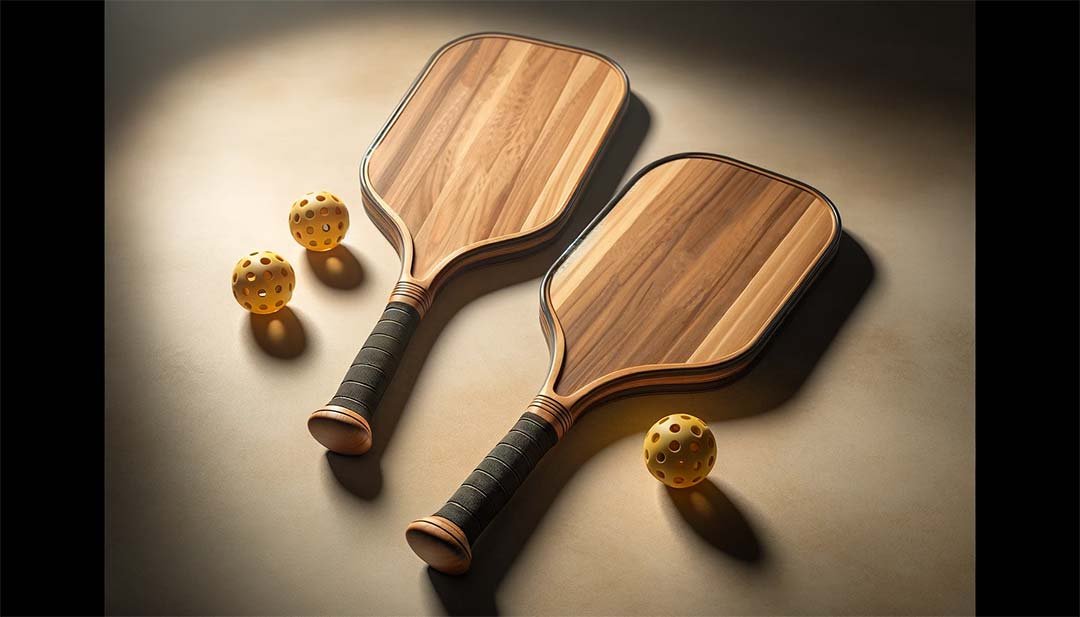
- The equipment is minimal. A paddle each, a ball, and a net. There is no equivalent of the tennis racket upgrade cycle.
- Balls last. Pickleball balls are perforated plastic and they wear out far more slowly than tennis balls, which are pressurised and go flat.
- No court fee at most public sites. Many parks and community centres have marked courts that are free to use.
Where the cost can climb is the same place it climbs in every racquet sport: the paddle. Entry-level paddles are inexpensive, and the high end is not. A beginner does not need the high end, and the difference only becomes apparent once the basics are solid.

Why It Is Easy to Learn
Two rules do most of the work, and they exist specifically to stop the pattern that ruins beginner tennis.
The Kitchen
The seven feet either side of the net is the non-volley zone, usually called the kitchen. You cannot volley from inside it. That single rule removes the smash-at-the-net exchange that ends most beginner rallies before they start, and it forces the game towards patience and placement.
The Double Bounce Rule
The serve must bounce once before the return, and the return must bounce once before the serving side plays it. Two bounces before anyone may volley, which means every rally starts with a groundstroke rather than a serve-and-volley.
Underhand Serving
The serve is underhand and below the waist. Nobody wins a point on the serve alone, which is why beginners can hold a rally in their first session.
Scoring to 11, win by two, is the other reason it moves quickly. A game takes about fifteen minutes, so a beginner gets several complete games in an hour and learns from each one.
Where the Real Cost Sits
- Paddle. The main variable. Buy one that feels comfortable rather than the most expensive one in the shop; the difference is not detectable until you can control the ball.
- Court time. Free at public parks, paid at indoor facilities. Indoor courts are the significant recurring cost if you play through winter.
- Coaching. Optional and the fastest route to competence, but not required to start.
- Travel. The most underrated cost. Courts are not always close, and a twenty-minute drive each way is the real expense.
We will not quote market sizes or growth figures for the sport. Estimates vary enormously depending on how participation is defined, and a number chosen to sound impressive is not useful to anyone deciding whether to stock a product.
Is It Worth Stocking?
That depends on what you already sell. Two honest observations:
- Pickleball equipment is a composite and textile business. Paddles, balls and nets are made by specialists in those materials. A wooden game factory is not the right supplier for them, and a buyer who assumes otherwise will waste a sampling round.
- The customer overlaps with ours. The person buying a pickleball set is the same person buying cornhole and a tumble tower: someone equipping a garden for a group of mixed ages. That is a merchandising opportunity even if the products come from different suppliers.
If your range is outdoor games for gardens, events and rental, pickleball belongs next to it rather than inside it. Source it from a paddle manufacturer and source the wooden games from us.
Conclusion
Pickleball is cheap because the court is small and the equipment is minimal, and it is easy because the kitchen and the double-bounce rule remove the parts of tennis that beginners cannot do. Both claims hold up.
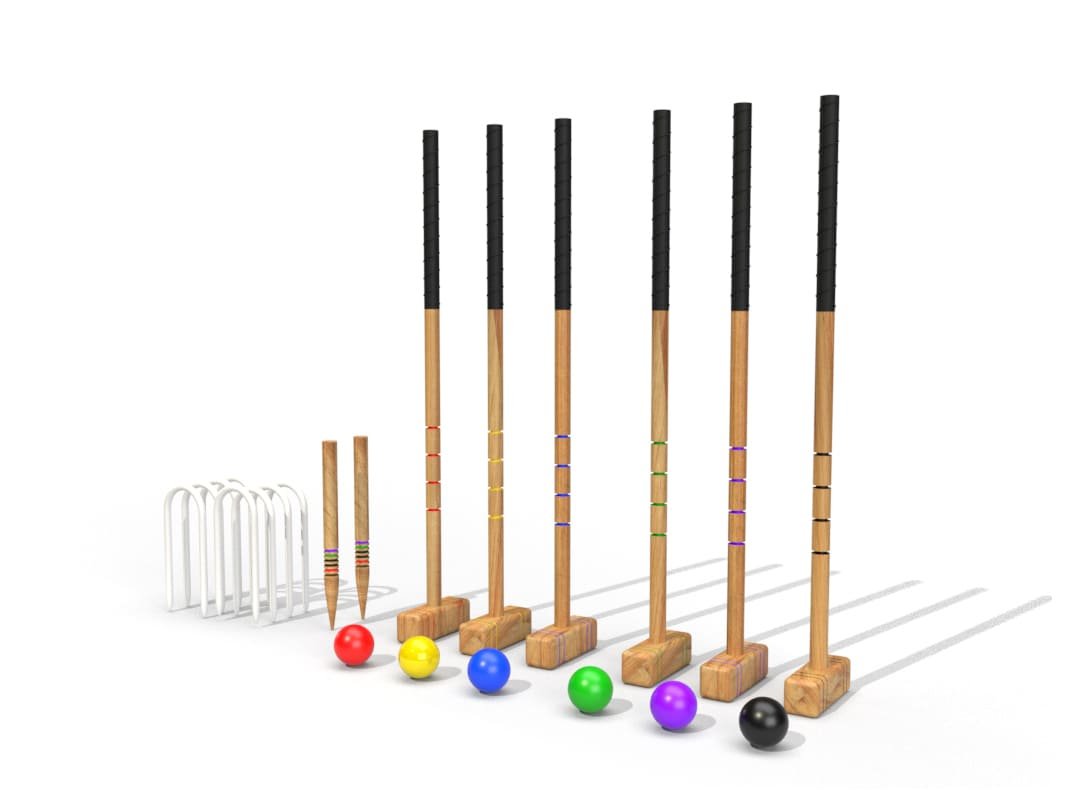
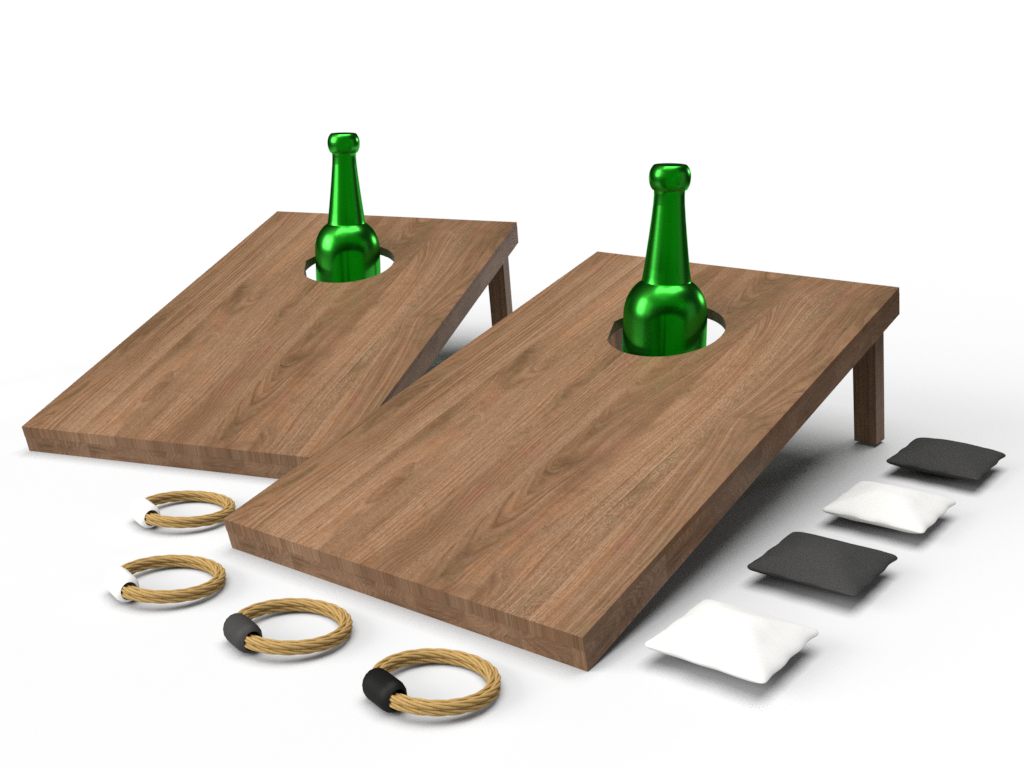
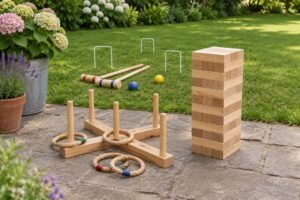
If you are building an outdoor games range and want the wooden half of it, that is what we make: Kubb, croquet, Mölkky, ring toss, tumble tower, cornhole and more, from 500 sets.
FAQs
Do you manufacture pickleball paddles?
No. Our range is wooden garden and board games. Paddles are made from composite materials by specialist manufacturers, and we would rather say so than take an order we cannot fill well.
How big is a pickleball court?
13.4 m by 6.1 m for doubles, with a non-volley zone extending 2.1 m from the net on each side.
How long does it take to learn?
Most beginners can hold a rally within the first session, because the serve is underhand and the double-bounce rule removes the serve-and-volley exchange.
Is it cheaper than tennis?
Generally, yes: smaller court, fewer balls consumed, and a paddle rather than a strung racket. The gap narrows if you pay for indoor court time through the winter.
What wooden games suit the same customer?
Cornhole, tumble tower, ring toss and Kubb. All are played by mixed ages in a garden, which is the same occasion pickleball serves.
Sourcing Wooden Garden Games in Bulk?
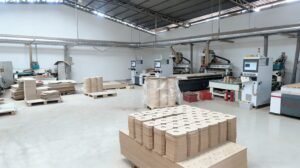
Kangjie is the direct manufacturer behind these games — no trading company, no middleman margin. We supply Kubb, Croquet, Molkky, Ring Toss, Tumble Tower, Cornhole and more to importers, retailers and brand owners worldwide.
- Factory-direct pricing with transparent volume tiers (500 / 1,000 / 5,000 units)
- OEM & ODM: logo, packaging, size and finish built to your specification
- EN71 & ASTM F963 compliant; FSC-certified timber
- Bulk lead time 30–45 days, quotation within 24 hours