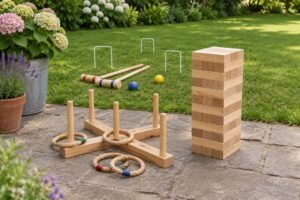
Stand at a bocce court with three balls in front of you and the choice looks simple: wooden, plastic, or iron. It is not as simple as it looks, because each material changes how the ball rolls, how it feels in the hand, and how much looking after it needs. This is the practical difference, and which one suits which game.
The Three Materials at a Glance
| Material | Feel | Weight | Weather | Upkeep |
|---|---|---|---|---|
| Wood | Classic, warm | Medium | Fair, can warp | Needs oiling and dry storage |
| Plastic / resin | Neutral, modern | Light to medium | Excellent | Minimal |
| Iron | Heavy, solid | Heavy | Poor, rusts | Needs drying and rust care |
Wooden Bocce Balls
The Traditional Choice
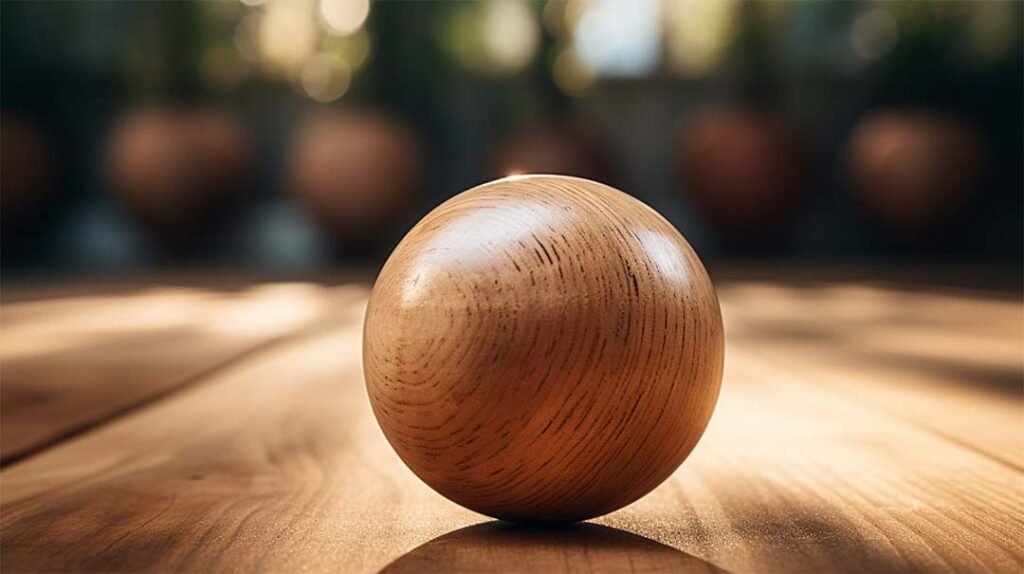
Wood is the original material and still the one most associated with the game. A wooden ball has a satisfying weight and a quiet roll, and it rewards a controlled, precise throw. It is also the highest-maintenance option: wood absorbs moisture, and a ball left out in the rain can split or warp. Regular oiling and dry storage keep it sound.
Where Wood Fits
Wood suits a traditional, slower game on a proper court, and it suits players who value the classic feel over convenience. It is the material of choice for a heritage set or a display piece.
Plastic Bocce Balls
Light and Low-Maintenance
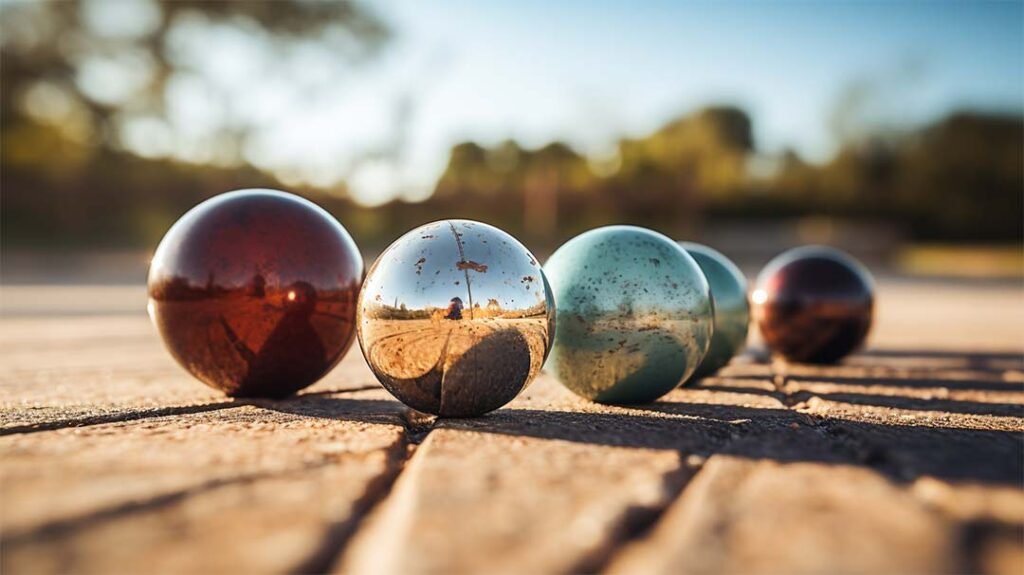
Plastic or resin balls are the modern default, and most competition balls are resin. They are lighter, weatherproof, and need almost no care beyond a wipe. The feel is more neutral than wood, and a good resin ball holds a consistent weight and roundness, which is exactly what a fair game needs.
Weatherproof by Default
Plastic is the all-weather option. It does not mind rain, and it can be stored damp without damage. For a casual or outdoor set, that is a genuine advantage over both wood and iron.
Iron Bocce Balls
The Heavyweight Option
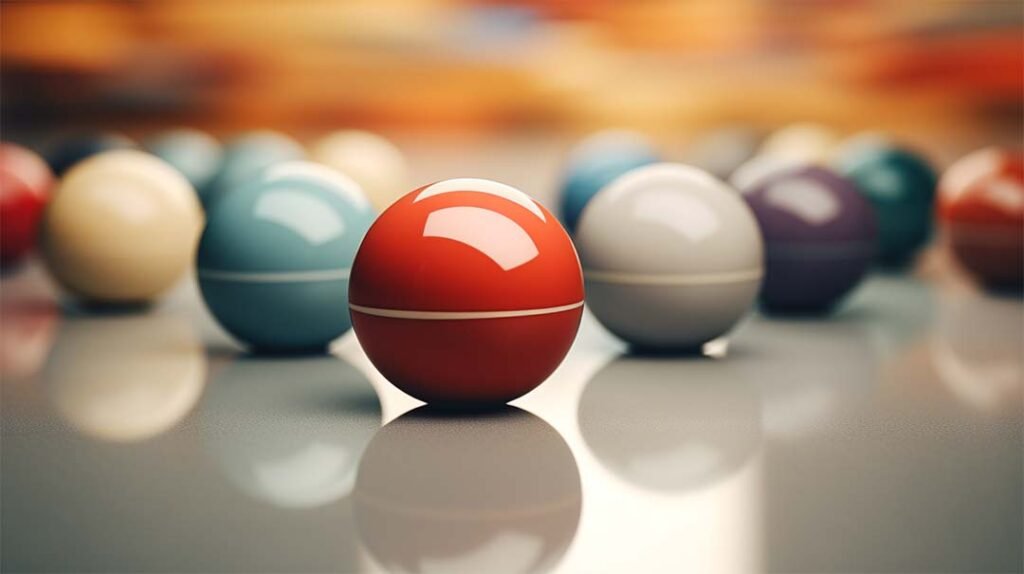
Iron balls are the heaviest of the three and the least common. Their weight gives them a straight, forceful roll that will push lighter balls out of the way, which some players enjoy and others find clumsy. They are a backyard and novelty option rather than a competition one.
Rust Is the Trade-Off
The cost of iron is rust. An iron ball left in the rain will oxidise, and keeping it sound means drying it and sometimes oiling it. If you want the heft, accept the upkeep.
How the Material Changes the Game
Weight and Momentum
A heavier ball carries momentum and can displace other balls, while a lighter ball is easier to control and place. Iron pushes; plastic places; wood sits between the two. That single difference reshapes how you play.
Surface and Terrain
Surface matters more than people expect. Wood rolls predictably on a smooth court; plastic copes with grass and rougher ground; iron powers through uneven surfaces but is harder to stop. Match the ball to the court you actually have.
Which One Should You Choose?
By Play Style
If you want a classic, controlled game on a real court, choose wood. If you want a low-maintenance, all-weather ball you can leave in the shed, choose plastic. If you want weight and force and do not mind the care, choose iron.
For Buyers
For anyone buying sets to resell, plastic or resin is the sensible default: it survives storage and shipping, holds a consistent weight, and does not need a care manual. Wood suits a premium, traditional range where the material is part of the pitch. Iron is a niche that sells on novelty more than on play.
Conclusion
Wooden, plastic, and iron bocce balls each change the game in their own way: wood for tradition and control, plastic for durability and convenience, iron for weight and force. Choose by how you play and where you play, and the rest follows.
FAQs
Can you mix ball materials in one game?
You can, but it is not fair. Balls of different weights roll and behave differently, and the heavier one has an advantage. Play a set of one material.
How do you care for each type?
Wood needs oiling and dry storage. Plastic needs almost nothing but a clean. Iron needs drying and occasional oiling to prevent rust.
Does ball weight really change the game?
Yes. Heavier balls push lighter ones aside; lighter balls are easier to place. It is the single biggest difference between the three materials.
Which material is best for beginners?
Plastic or resin. It is durable, easy to handle, and works on most surfaces, so a beginner is not fighting the equipment.
Can the material affect my strategy?
It does. The force you need and how the ball interacts with the ground both depend on material, so the strategy that works with wood will not always work with iron.
Sourcing Wooden Garden Games in Bulk?
Kangjie is the direct manufacturer behind these games — no trading company, no middleman margin. We supply Kubb, Croquet, Molkky, Ring Toss, Tumble Tower, Cornhole and more to importers, retailers and brand owners worldwide.
- Factory-direct pricing with transparent volume tiers (500 / 1,000 / 5,000 units)
- OEM & ODM: logo, packaging, size and finish built to your specification
- EN71 & ASTM F963 compliant; FSC-certified timber
- Bulk lead time 30–45 days, quotation within 24 hours