
Main Menu
Does the phrase “Tower of Hanoi” ring any bells for you? Maybe it brings back memories of fascinating logic problems in math class or hours of entertainment trying to solve this challenging puzzle. But have you ever paused to think about what it’s made from?
In the wide world of Tower of Hanoi, you’ve got three main materials: wood, plastic, and metal. Each has its own unique charm and can deliver a game experience like no other.

The Tower of Hanoi, also known as the Towers of Brahma, is a mathematical puzzle introduced by French mathematician Édouard Lucas in 1883. It comprises three pegs and multiple discs of different sizes, which can slide onto any peg.
The puzzle starts with the discs in ascending order of size on one peg, and the aim is to move the entire stack to another peg following certain rules.
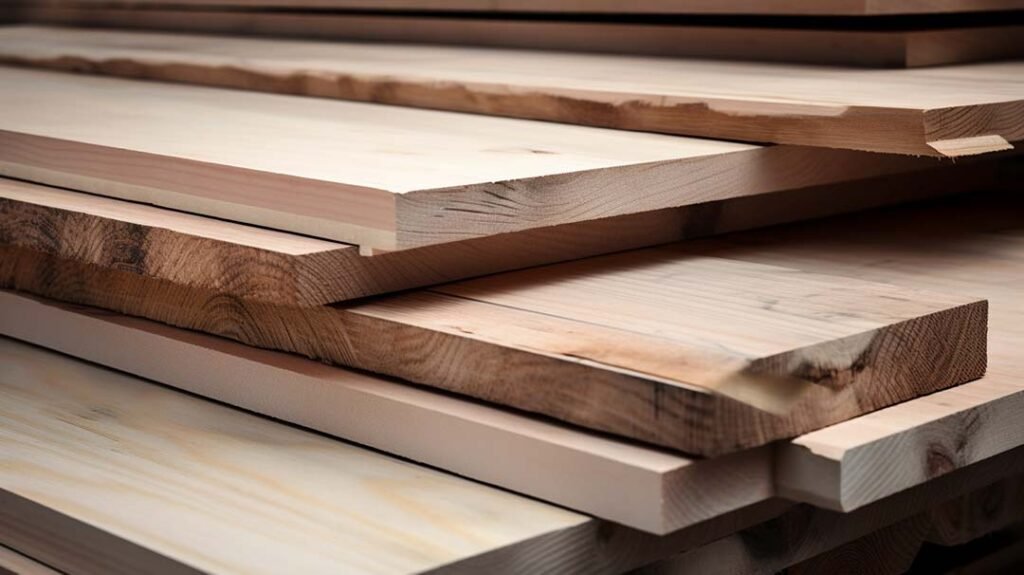
One of the most common materials for making the Tower of Hanoi is wood. The natural texture and feel of wooden pieces add to the tactile experience of playing the game.
Various types of wood, such as pine, oak, and birch, are used depending on the desired finish and durability.
Plastic is another popular material due to its versatility, durability, and lower cost. Plastic Towers of Hanoi can be made in a variety of colors, making them appealing to children.
Some manufacturers choose metal for a high-end version of the Tower of Hanoi game. These sets, often made of stainless steel or brass, have a sleek look and heavy feel, and are typically more durable than their wood or plastic counterparts.

In an effort to reduce waste and environmental impact, some manufacturers are turning to recycled materials, like recycled plastic or reclaimed wood, for their Towers of Hanoi.
Sustainable wood is another eco-friendly alternative. Manufacturers using this material ensure the wood comes from responsibly managed forests that provide environmental, social, and economic benefits.

While all materials have their benefits, your choice may depend on the game’s intended use. If it’s likely to face heavy use, metal or high-quality wood may be the best choice.
If sustainability is a priority, look for Towers of Hanoi made from recycled materials or sustainable wood.
The cost can also be a deciding factor. Plastic versions are typically less expensive, while metal and high-quality wood versions come at a higher price point.

Whether made from wood, plastic, metal, or eco-friendly alternatives, the Tower of Hanoi game is a fascinating puzzle that challenges players of all ages.
The material choice can significantly influence the game’s feel, durability, and impact on the environment.
As consumers, we have the power to make informed decisions that align with our needs and values.
Yes, while wood, plastic, and metal are common, other materials like glass or ceramic could be used.
No, the material does not influence the gameplay, but it can affect the game's tactile experience.
Look for certification labels such as the Forest Stewardship Council (FSC) on the product or in the product description.
Safety can depend on the quality of the manufacture. Ensure the game has no sharp edges and, if it's intended for young children, that the pieces aren't small enough to be a choking hazard.
Some manufacturers offer customization options, but this will depend on the specific company and may affect the price.
Understanding the various materials used in the Tower of Hanoi game not only gives us insight into its manufacturing process but also encourages us to make conscious choices that reflect our gameplay preferences and environmental values. Happy puzzling!
Get a free copy of our catalog
Trust our wooden game experts to deliver premium quality and unbeatable value, on-time and on-budget.
kangjiegardengame.com
Typically replies within minutes
How Can We Assist You Today?
WhatsApp Us
🟢 Online | Privacy policy
WhatsApp us
Get notified about new products
Custom garden games available—our expert design team brings innovative ideas to life.